
Introduction: Why Consider Solar PV in 2025?
With energy prices continuing to fluctuate and environmental concerns growing, many homeowners are asking the same question: “Are solar panels worth it?” As your local, family-run electrical specialists with over 16 years of experience, we at Hands On Electrical want to provide you with honest, straightforward information to help you make the right decision for your home.
Solar PV (photovoltaic) systems have become increasingly popular in the UK, with over 1.5 million installations nationwide. But beyond just following a trend, there are compelling reasons to consider this investment for your home.
How Do Solar Panels Work?
Solar panels harness energy from the sun and convert it into electricity for your home. Even on cloudy days (which we get plenty of in Gloucestershire!), your panels will continue to generate power.
Put simply, solar panels contain electrons that begin to move when exposed to sunlight. This movement creates an electric current that is channelled and converted into usable electricity for your home. Any excess energy can either be stored in a battery for later use or exported back to the grid.
The Benefits of Solar PV for Gloucestershire Homes
1. Lower Energy Bills
The most immediate benefit is the reduction in your energy bills. A typical 3-4kW system can generate between 2,400 and 3,200 kWh of electricity annually – potentially satisfying up to 85% of an average home’s electricity needs.
With the current energy prices, this could lead to annual savings of £730 for a medium-sized home with a 4kW system. Over the 25-year lifespan of your panels, these savings can amount to over £18,000!
2. Income from Excess Energy
Through the Smart Export Guarantee (SEG) scheme, energy suppliers pay homeowners for the surplus electricity they generate and export back to the grid. Depending on your tariff, you could earn hundreds of pounds annually from your excess energy.
3. Energy Independence
With solar panels and battery storage, you’ll be less reliant on the national grid and better protected against future energy price increases. This self-sufficiency can provide peace of mind, especially during periods of energy market volatility.
4. Reduced Carbon Footprint
For environmentally-conscious homeowners, solar PV offers a significant reduction in carbon emissions. The Energy Saving Trust estimates that a typical solar PV system can reduce your home’s carbon footprint by approximately 1.6 tonnes of CO2 per year.
5. Increased Property Value
Homes with solar panels can sell for more than those without, as buyers are attracted to the prospect of lower energy bills and eco-friendly features. Some studies suggest that solar panels can increase property values by approximately 6.8%.
What Affects the Performance of Solar Panels?
Location and Orientation
The ideal setup for solar panels is on a south-facing roof with a pitch between 30° and 40°. However, east or west-facing roofs can still be effective, producing energy for a large portion of the day.
Shading
Your roof should ideally be unshaded between 10am and 4pm to maximise efficiency. While some early or late shading from trees or neighbouring buildings is acceptable, significant shading during peak daylight hours will reduce your system’s performance.
UK Weather
Despite our British weather reputation, Gloucestershire receives enough sunlight to make solar panels worthwhile. Modern panels are designed to work effectively even in cloudy conditions, though they will produce more energy on sunny days.
Interestingly, solar panels can actually perform better in cooler temperatures as excessive heat can reduce their efficiency. So our mild local climate is actually quite suited for solar PV systems!
Solar PV Costs: Breaking Down the Investment
Initial Installation Costs
At Hands On Electrical, our solar PV packages start from £3,950 and can scale up depending on your specific requirements. The final cost is influenced by several factors:
-
Number of solar panels
-
Type and size of inverter
-
Whether you opt for battery storage (and what capacity)
-
Your roof configuration and installation complexity
We offer a range of options to suit different homes, energy needs, and budgets—from starter systems ideal for smaller properties to comprehensive setups with premium battery storage solutions like the Tesla Powerwall.
All our packages include full professional installation, quality components from trusted manufacturers, and 0% VAT, making solar power an accessible option for most homeowners.
Battery Storage Options
Adding a battery storage system allows you to store excess energy for use when your panels aren’t generating (such as evenings or cloudy days). While this adds to the initial cost, it can significantly increase your self-consumption rate and further reduce your reliance on the grid.
Maintenance Costs
Solar panels are generally low-maintenance. They’re designed to withstand British weather conditions and typically come with a 25-year warranty. The main maintenance requirement is occasional cleaning, though our frequent British rain often takes care of this naturally!
You may need to replace the inverter (the device that converts DC electricity from the panels to AC electricity for your home) after about 10-12 years, at a cost of approximately £800.
Return on Investment: When Do Solar Panels Pay for Themselves?
The time it takes for solar panels to pay for themselves depends on several factors, including:
-
The size and cost of your system
-
Your household electricity usage
-
How much time you spend at home during daylight hours
-
Whether you have battery storage
-
Your SEG tariff rate
For a typical home with a 4kW system, the break-even point is around 5-7 years. After this, your system will continue to generate free electricity for many years to come, representing a significant return on investment.
Legal and Practical Considerations
Planning Permission
Good news for most homeowners – in England, Scotland, and Wales, domestic solar panel installations generally don’t require planning permission. They’re typically considered “permitted development” as long as the panels don’t protrude more than 200mm from your roof.
However, planning permission may be required if:
-
Your property is listed
-
You live in a conservation area
-
Your installation is particularly large or unusual
Our team will advise you on any planning requirements during the initial consultation, ensuring your installation complies with all local regulations.
Home Insurance Implications
It’s important to notify your home insurance provider before installing solar panels. While most insurers will cover solar panels as part of your buildings insurance, some policies may need adjusting to ensure proper coverage.
We recommend contacting your insurer to:
-
Confirm the panels will be covered for damage and theft
-
Check if this will affect your premium
-
Understand any specific requirements they might have
Solar Panels and Property Value
Research indicates that solar panels can add significant value to your home. Multiple studies suggest that properties with solar installations sell for approximately 6-7% more than comparable homes without solar panels. This can equate to thousands of pounds in added value, helping to offset your initial investment if you decide to sell.
Not only do solar panels make your home more attractive to environmentally-conscious buyers, but they also offer the new owners immediate savings on energy bills, making your property more marketable.
Choosing the Right Inverter
The inverter is a crucial component of any solar PV system, converting the direct current (DC) produced by your panels into usable alternating current (AC) for your home. There are two main types to consider:
String Inverters
-
Connect multiple panels in series
-
Generally reliable but may reduce system efficiency if one panel is shaded or damaged
-
Typically installed in lofts or garages
-
Usually require replacement after 10-12 years
Hybrid Inverters
-
Combine the functions of a solar inverter and battery inverter in one unit
-
Allow for easier integration of battery storage
-
Enable more efficient energy management between panels, battery, and grid
-
Often include enhanced monitoring capabilities
-
Typically more expensive than standard string inverters but offer greater flexibility
Power Optimisers
-
Work with string inverters to optimise the performance of each panel individually
-
If one panel is affected by shade or damage, the others continue to function at full capacity
-
Allow for detailed monitoring of individual panel performance
-
More cost-effective than microinverters while offering many of the same benefits
-
Increase overall system efficiency, especially in complex roof layouts or partial shading situations
Our team will help you choose the best inverter solution based on your specific installation, budget, and energy goals.
Is Your Home Suitable for Solar Panels?
Before investing in solar PV, consider the following:
Roof Condition and Space
Your roof should be in good condition and have sufficient space for the panels. Each panel typically requires about two square metres, and you’ll need enough panels to meet your energy goals.
Planning Permission
In most cases, solar panels are considered ‘permitted development’ in England and Wales, meaning you won’t need planning permission. However, if your home is a listed building or situated within a conservation area, you might require permission from your local planning authority before proceeding.
Home Occupancy
If you’re mainly at home during daylight hours, you’ll benefit more from solar panels as you’ll use more of the electricity as it’s generated. If you’re typically out during the day, battery storage becomes more valuable.
Making the Switch: The Hands On Electrical Installation Process
At Hands On Electrical, we’ve streamlined the solar PV installation process to make it as smooth as possible for our customers:
-
Free Consultation: We’ll discuss your energy needs, assess your property’s suitability for solar, and answer any questions you might have.
-
Tailored Design: Our team will create a bespoke solar PV system that maximises energy generation for your specific roof and requirements.
-
Transparent Quote: We’ll provide a clear, detailed quote with no hidden costs, explaining the expected returns and savings.
-
Professional Installation: Our experienced team will install your solar panels quickly and efficiently, with minimal disruption to your daily life.
-
System Setup and Registration: We’ll handle all the paperwork, including registering your system for SEG payments and setting up monitoring systems.
-
Ongoing Support: Our relationship doesn’t end after installation. We’re always available to provide maintenance advice and answer any questions.
Frequently Asked Questions
Do solar panels work on cloudy days and in winter?
Yes, solar panels still generate electricity in winter and on cloudy days, although output will be lower than on sunny days. Modern panels are designed to capture different light wavelengths, not just direct sunlight.
How long do solar panels last?
Most solar panels come with a 25-year warranty and can continue to function effectively for 30 years or more, albeit with some reduction in efficiency over time (typically around 0.5% per year).
Will I still need to be connected to the grid?
Unless you have a very large battery system, you’ll likely still need a grid connection for times when your solar panels aren’t generating enough electricity to meet your needs (such as winter evenings).
What happens if I move house?
While solar panels can add value to your property, if you’re planning to move within the next 5-7 years, you may not recoup your full investment. It’s generally not practical to take solar panels with you when you move.
What about recycling solar panels?
Solar panels are recyclable, with many components able to be repurposed at the end of their life. The industry is also developing more advanced recycling methods as older installations reach the end of their lifespan.
Can I combine solar panels with other green technologies?
Absolutely! Solar PV works excellently alongside other technologies such as air-source heat pumps and electric vehicle charging points. At Hands On Electrical, we specialise in integrated renewable energy solutions.
Practical Questions to Consider Before Installing Solar Panels
When planning your solar panel installation, there are several practical considerations that many homeowners don’t think about until later in the process. Here’s what you should know:
Installation and Access
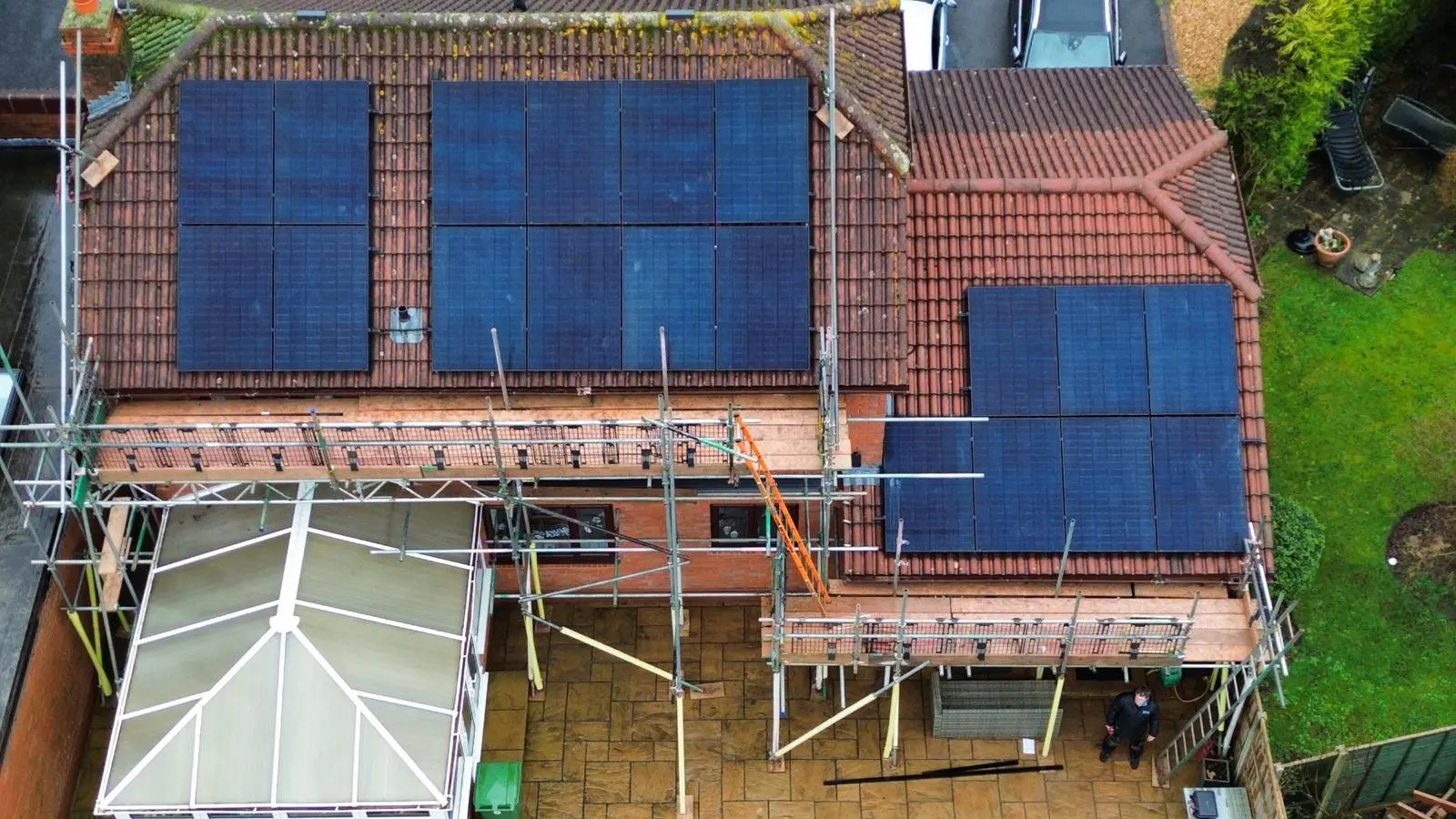
Roof Access: Before installation, consider how the installation team will access your roof. We typically use scaffolding or occasionally cherry pickers, depending on your property layout. We’ll conduct a thorough assessment to ensure safe access before beginning work.
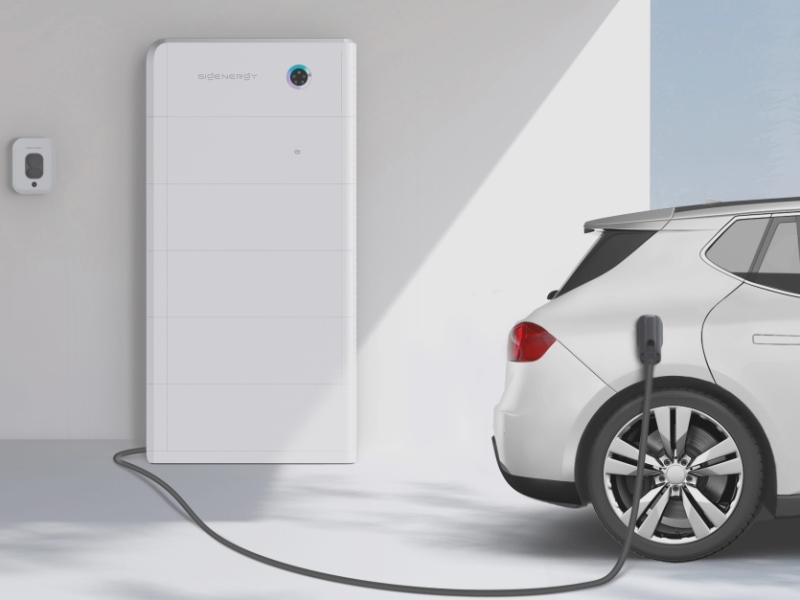
Space Requirements: Beyond your roof, you’ll need some space inside your home for the inverter and potentially a battery. Inverters are relatively compact (typically less than 1m²), while batteries vary in size from slim wall-mounted units to larger floor-standing systems comparable to a small fridge.
System Flexibility and Future-Proofing
Adding Batteries Later: If you’re not ready to invest in battery storage immediately, that’s perfectly fine. Systems can be retrofitted with batteries, though it’s worth noting that installing everything together often results in cost savings. If you think you might add a battery in the future, let us know during the consultation so we can design your system accordingly.
Expanding Your System: As your energy needs grow (perhaps with a new electric vehicle or heat pump), your solar PV system can be expanded. Additional panels can be added to most systems, though this may require new permission and potentially additional electrical work.
Outbuildings: Yes, solar panels can be installed on sheds or garages! While these spaces typically have limited roof area, they can generate enough power for tools, appliances, or even EV charging. The main consideration is the wiring connection to your main electrical system.
Electrical Considerations
Electrical System Compatibility: Most modern homes won’t need significant electrical system upgrades to accommodate solar panels. However, older properties might require updates to the consumer unit (fuse box) or wiring. Our pre-installation assessment will identify any necessary upgrades.
Grid Connection: Your solar system will connect to the grid via your consumer unit. This allows you to import electricity when needed and export excess power back to the grid.
Smart Meters: While not strictly necessary, a smart meter provides significant benefits when paired with solar panels. It accurately tracks your energy production and consumption, eliminating estimated bills and helping you maximise the benefits of your solar investment.
Potential Additional Work
Trenching and Wiring: In some cases, additional wiring or trenching work may be required to connect your solar panels to your home’s electrical system. This is more common in larger properties or where the panels are installed some distance from the main building. Our initial assessment will identify any such requirements before you commit.
Energy Provider Considerations
Switching Providers: You can keep your current energy provider when you install solar panels. However, if you’re interested in the Smart Export Guarantee (SEG) payments, it’s worth comparing the rates offered by different suppliers, as these can vary significantly and affect your return on investment.
We’ll guide you through all these considerations during our consultation process, ensuring you have all the information needed to make the right decisions for your property and energy needs.

Ready to Harness the Sun’s Power?
If you’re considering solar PV for your home, the first step is to get a personalised assessment and quote. For a quick understanding of our solutions, take a look at our solar PV packages.
For a more detailed consultation, contact our friendly team today. As your local, family-run electrical specialists, we’re committed to helping you find the perfect renewable energy solution for your home.
Get Your Free, No-Obligation Quote Today
Choosing the Right Solar Installer
Selecting the right solar panel installer is crucial for ensuring a quality installation that maximises your return on investment. Here are key factors to consider:
Certifications and Accreditations
Always choose an MCS (Microgeneration Certification Scheme) certified installer. This is not just about quality assurance – it’s also a requirement for accessing the Smart Export Guarantee payments. At Hands On Electrical, we’re fully MCS certified, giving you complete confidence in our work.
Experience and Track Record
Look for installers with a proven track record of successful installations. Ask about:
-
How many years they’ve been installing solar panels
-
How many systems they’ve installed
-
Examples of installations similar to what you’re considering
With over 150 successful solar installations and 16 years of experience in the electrical industry, our team brings considerable expertise to every project.
Customer Reviews
Check third-party review platforms like Trustpilot and Google Reviews to see what previous customers have to say.
Pay attention to comments about:
-
Quality of workmanship
-
Customer service
-
After-sales support
-
How issues were resolved
Comprehensive Quotes
A quality installer will provide a detailed quote that includes:
-
Clear breakdown of costs
-
Specific equipment brands and models being used
-
Estimated energy generation
-
Expected financial returns
-
Warranty information for all components
Ongoing Support
Solar panels are a long-term investment, so consider what support the installer offers after installation:
-
Warranty coverage and terms
-
Maintenance services
-
Monitoring options
-
Technical support availability
At Hands On Electrical, we pride ourselves on building lasting relationships with our customers, providing ongoing support and maintenance throughout the life of your solar system.
About Hands On Electrical: We’re your trusted, local electricians specialising in solar PV, Air2Air heat pumps, EV charging, and all your electrical needs. With over 16 years of experience and more than 150 successful solar installations, we take pride in delivering exceptional service and top-quality workmanship to our neighbours across the region and beyond.